

Do you have persistent brown or grey-brown patches on your cheeks, forehead, upper lip or chin that seem to darken with sun exposure? You may be experiencing melasma, a common pigmentation condition caused by excess melanin production in the skin.
Melasma can be challenging to treat because it is often influenced by multiple factors, including sun exposure, hormones, genetics and skin inflammation. While the condition is not harmful, it can significantly affect confidence and quality of life.
At APAX Medical & Aesthetics Clinic, we provide personalised melasma treatment plans tailored to your skin type, pigmentation depth and underlying triggers. Depending on your skin condition, treatment may involve prescription topical medications, oral therapies, chemical peels, pigment lasers or combination approaches designed to reduce pigmentation safely while minimising the risk of recurrence.
Our goal is not simply to lighten existing pigmentation, but to help you achieve clearer, more even-toned skin with natural-looking and sustainable results.

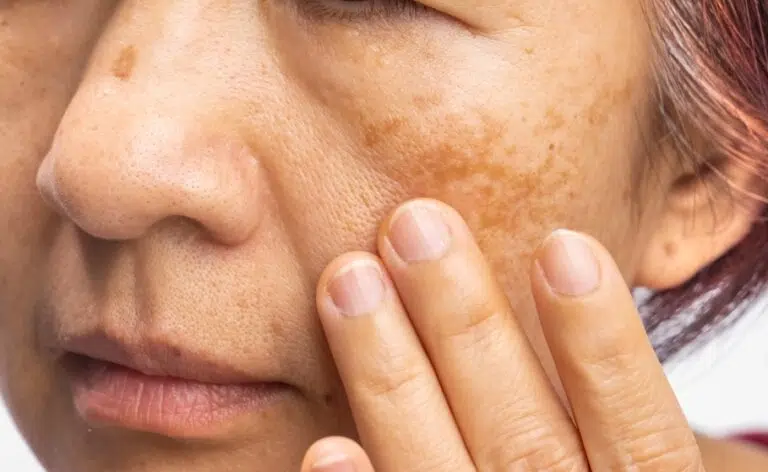
Melasma is a common form of facial hyperpigmentation that causes brown, grey-brown or tan patches to develop on sun-exposed areas of the skin [1]. It most commonly affects the cheeks, forehead, nose, upper lip and chin, particularly in women and individuals with darker skin types.
Although melasma is not harmful, it can be challenging to treat and often tends to recur without proper management. Effective melasma treatment involves identifying and reducing trigger factors, protecting the skin from ultraviolet (UV) and visible light exposure, and using targeted treatments to control pigmentation while minimising the risk of relapse.
Melasma typically appears as flat, symmetrical patches of brown, grey-brown or tan pigmentation on sun-exposed areas of the face. The pigmentation most commonly develops on the cheeks, forehead, nose, upper lip and jawline, often with irregular or poorly defined borders.
Many individuals with melasma may also have other forms of pigmentation or age-related skin changes occurring at the same time. These can include:
Because several pigmentation conditions can appear similar, a professional assessment is important to determine whether pigmentation is caused by melasma alone or occurs alongside other skin concerns that may require different treatment approaches.
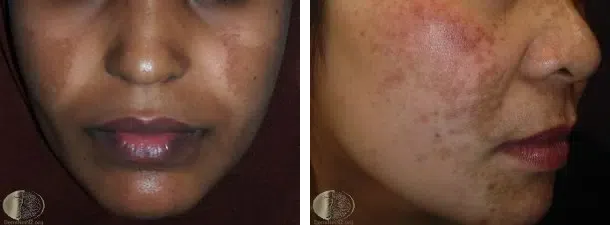
The exact cause of melasma is not fully understood. However, research suggests that the condition develops through a combination of genetic, hormonal and environmental factors that stimulate excess melanin production in the skin.
Common triggers and contributing factors include:
Because melasma is often influenced by multiple factors simultaneously, successful treatment usually requires a comprehensive management plan that combines trigger avoidance, sun protection and targeted pigmentation treatments.
Melasma can affect different layers of the skin. Identifying the type of melasma is an important part of the consultation process, as it helps determine the most appropriate treatment approach and expected response to treatment.
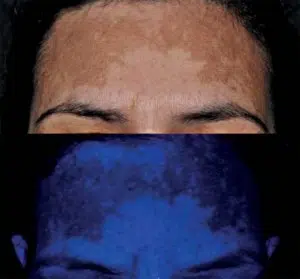
Melasma is primarily diagnosed through a detailed consultation and clinical examination of the skin. During the assessment, your doctor will evaluate the appearance, distribution and pattern of pigmentation, as well as discuss potential contributing factors such as sun exposure, hormonal changes, medications and family history.
Additional diagnostic tools may be used to assess the depth and severity of pigmentation:
Because other pigmentation disorders can resemble melasma, an accurate diagnosis is important to ensure the most appropriate treatment strategy is selected.
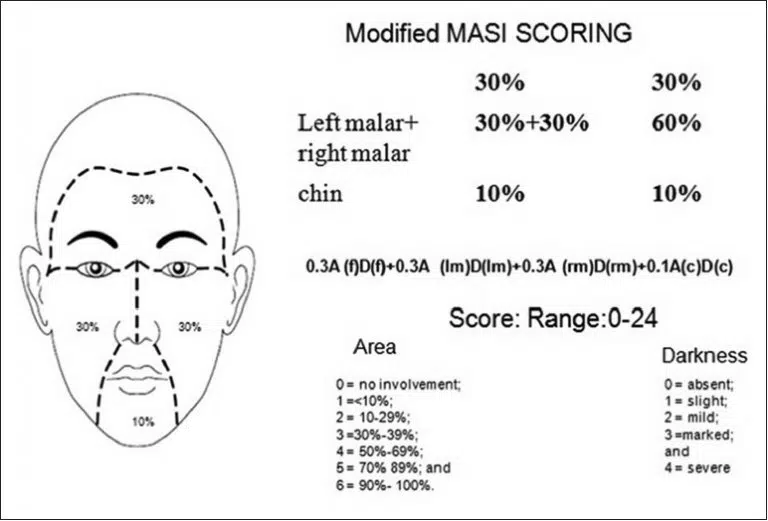
A melasma consultation involves a detailed assessment of your skin, pigmentation pattern and potential contributing factors. Because melasma can vary significantly between individuals, an accurate diagnosis is important to determine the most appropriate treatment approach.
During the consultation, Dr. NG will review your medical history, current skincare routine, previous treatments and any factors that may contribute to pigmentation, such as sun exposure, pregnancy, hormonal changes or medications. A clinical examination of the skin will then be performed to assess the distribution, severity and depth of pigmentation.
Additional assessments, such as a Wood’s lamp examination, may be used to determine whether the melasma is primarily epidermal, dermal or mixed. Based on the findings, a personalised treatment plan will be developed, which may include topical medications, oral therapies, laser treatments, microneedling or a combination approach tailored to your skin type and treatment goals.
Melasma is a chronic pigmentation disorder that often requires long-term management. Because multiple factors contribute to its development, no single treatment is suitable for every individual. The most effective treatment plans typically combine trigger avoidance, sun protection and targeted medical treatments.
Treatment recommendations are personalised according to the severity of pigmentation, the depth of melasma, skin type and individual treatment goals.
Daily sun protection is one of the most important components of melasma management.
Topical medications are often considered a primary treatment for melasma. These treatments work by reducing melanin production, accelerating skin cell turnover and controlling inflammation within the skin.
Common topical treatment options include:
Your doctor will recommend a customised topical treatment regimen based on your skin type and the severity of your melasma.
Oral therapy may be considered in selected patients, particularly when topical treatments alone are insufficient.
Other oral supplements that have been investigated for melasma management include:
Suitability for oral treatments should be determined during consultation, as certain medications may not be appropriate for all individuals.
Laser treatment may be considered as part of a comprehensive melasma management plan, particularly for patients who do not achieve sufficient improvement with topical and oral therapies.
Non-ablative laser technologies, including Q-switched and picosecond lasers, are commonly used because they selectively target pigment while minimising damage to surrounding skin. These treatments are generally better suited for individuals with darker skin types compared to more aggressive laser procedures.
However, laser treatment should not be viewed as a standalone solution for melasma. Because melasma is a complex condition influenced by hormonal, genetic and inflammatory factors, pigmentation may recur even after successful laser treatment.
Potential risks include:
For this reason, laser treatments are often combined with topical medications, oral therapy and ongoing sun protection for optimal long-term results.

Microneedling is an emerging treatment option that may help improve melasma by creating controlled microchannels within the skin [19]. These channels can enhance the penetration of topical medications while stimulating natural skin renewal processes.
Potential benefits of microneedling include:
While early studies have shown promising results, response to treatment can vary between individuals, and further research is ongoing to establish its role in routine melasma management.
Melasma is considered a chronic pigmentation disorder, which means that even after successful treatment, the condition may recur over time. This is because the underlying factors that contribute to melasma, such as sun exposure, hormonal influences, genetics and skin inflammation, may continue to affect pigment production.
Ultraviolet (UV) radiation and visible light are among the most common triggers for recurrence. Even brief periods of sun exposure can stimulate pigment-producing cells and cause previously treated areas to darken again. Hormonal fluctuations related to pregnancy, oral contraceptive pills or hormone replacement therapy may also contribute to relapse.
Although melasma cannot always be permanently cured, appropriate treatment and long-term maintenance can help keep pigmentation under control. Consistent sun protection, trigger avoidance and ongoing skincare are often essential components of successful long-term management.
Melasma treatment requires patience, as improvement is usually gradual rather than immediate. The time required to see results varies depending on the severity of pigmentation, the depth of melasma, individual skin characteristics and the treatment methods used.
Many patients begin to notice improvement within several weeks of starting topical therapy, while more significant results may take several months to develop. Individuals undergoing laser treatments or combination therapy may require multiple treatment sessions spaced several weeks apart to achieve optimal outcomes.
Because melasma is a chronic condition, treatment does not necessarily end once pigmentation improves. Maintenance therapy and ongoing sun protection are often recommended to help preserve results and reduce the risk of recurrence.
The goal of melasma treatment is to reduce the appearance of pigmentation, improve overall skin clarity and achieve a more even skin tone. While most patients experience noticeable improvement with appropriate treatment, the degree of improvement can vary depending on factors such as pigmentation depth, skin type and underlying triggers.
Potential outcomes of melasma treatment include:
It is important to understand that melasma often requires long-term management. While treatment can significantly improve pigmentation, maintenance therapy may be necessary to sustain results and minimise recurrence over time.
Melasma is a common pigmentation disorder that causes brown or grey-brown patches to develop on sun-exposed areas of the face. While the exact cause is not fully understood, factors such as sun exposure, hormonal changes, genetics and skin inflammation are known to contribute to its development.
Because melasma can affect different layers of the skin and varies from person to person, accurate diagnosis is essential for selecting the most appropriate treatment approach. Although melasma can be persistent and prone to recurrence, a personalised treatment plan can help significantly reduce pigmentation and improve overall skin clarity.
Depending on your skin type and the severity of your condition, treatment may involve topical medications, oral therapies, laser treatments, microneedling or a combination of approaches.
If you are concerned about persistent facial pigmentation or would like to explore suitable treatment options, schedule a consultation with APAX Medical & Aesthetics Clinic for a comprehensive assessment and personalised melasma treatment plan.
Melasma is a benign skin condition and does not increase the risk of skin cancer or other serious health problems. However, the pigmentation can be cosmetically bothersome and may affect confidence and emotional wellbeing.
Yes. Although melasma is more common in women, men can also develop the condition. Risk factors such as sun exposure, genetics and darker skin types may contribute to melasma in male patients.
Most makeup products do not worsen melasma when used appropriately. In fact, tinted sunscreens and cosmetic camouflage products can help conceal pigmentation while providing additional protection against visible light.
Yes. Hormonal changes during pregnancy are a well-recognised trigger for melasma, which is why the condition is sometimes referred to as the “mask of pregnancy.” While pigmentation may improve after childbirth, some cases can persist without treatment.
Not all pigmentation products are suitable for melasma, and some may cause skin irritation that can worsen pigmentation. It is advisable to seek professional advice before starting or continuing skin-lightening treatments.
Yes. Frequent sun exposure, inadequate sun protection and certain hormonal factors may contribute to worsening pigmentation. Consistent skincare and sun protection play an important role in long-term melasma management.
Yes. Melasma commonly affects individuals with darker skin tones, and treatment plans can be tailored according to skin type. A professional assessment is important to select treatment options that minimise the risk of unwanted pigmentation changes.
You should consider seeking medical advice if facial pigmentation is becoming more noticeable, affecting your confidence, changing in appearance or not responding to skincare products. An assessment can help determine whether the pigmentation is caused by melasma or another skin condition requiring different treatment.


Dr. Moses Ng is a distinguished professional in the field of aesthetic medicine, renowned for his expertise in advanced cosmetic procedures. With over 15 years of experience, extensive training and a keen eye for detail, Dr. Ng specializes in a wide range of treatments, including injectables, laser therapies, and acne scar management.
Dr. Moses Ng’s commitment to excellence and patient-centric approach have earned him a reputation as a trusted clinician in aesthetic medicine. His continuous pursuit of the latest advancements in the field ensures that his patients receive the highest standard of care and the most effective treatments available.


