

Acne is one of the most common skin conditions and can affect individuals at different stages of life, from adolescence through adulthood. While often associated with teenage years, acne frequently persists or develops later due to hormonal changes, stress, lifestyle factors or underlying skin conditions. Ongoing breakouts, painful nodules and acne scarring can impact not only skin health but also confidence and quality of life.
Effective acne management requires more than over-the-counter products. Different types of acne, such as hormonal acne, nodulo-cystic acne or acne associated with scarring need targeted, medically guided treatment. Early assessment and appropriate care play an important role in controlling inflammation, preventing long-term scarring, and supporting healthier skin.
At APAX Medical & Aesthetic Clinic, acne treatment is approached with a focus on accurate diagnosis, evidence-based care, and long-term skin health. Treatment plans are tailored to individual skin concerns and acne severity, ensuring that care is appropriate, safe, and effective.
Our acne services include:

Acne is a chronic inflammatory skin condition that involves the oil-producing (sebaceous) glands and hair follicles [1]. It develops when excess oil and dead skin cells block pores, creating an environment where inflammation and bacterial overgrowth can occur.
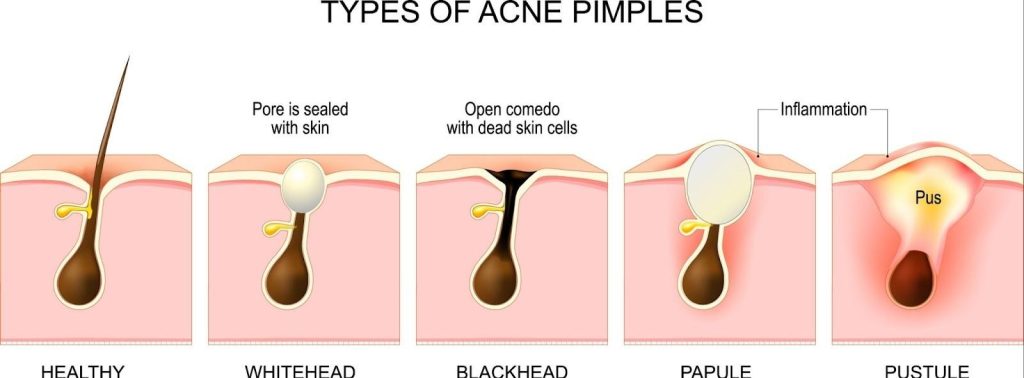
Hormonal influences play a significant role in acne development, which explains why breakouts often worsen during puberty, menstrual cycles, pregnancy or periods of stress [2]. Acne can present in different forms, including blackheads, whiteheads, papules, pustules, nodules and cysts.
Without effective treatment, acne may persist for years and increase the risk of permanent scarring. Early medical assessment allows acne to be managed more effectively, helping to control inflammation, reduce breakouts and protect long-term skin health.
Acne is a common medical skin condition with well-documented prevalence across different age groups. Research shows that acne is not limited to adolescence and often continues into adulthood, with both physical and psychological effects.
Key facts about acne include:
Acne affects the majority of adolescents
Adult acne is increasingly common
Scarring can occur even with mild acne
Acne can have a psychological impact
Early treatment reduces long-term complications
Acne is one of the most common skin conditions worldwide and affects a large proportion of adolescents and young adults. It is estimated that the majority of individuals experience acne at some point between their teenage years and early adulthood. In recent years, adult-onset acne has become increasingly common, particularly among women in their 20s, 30s and 40s.
Beyond its physical appearance, acne can have a significant impact on emotional wellbeing. Persistent breakouts, painful lesions, and visible scarring may affect self-confidence, social interactions and overall quality of life. When left untreated, acne may also lead to long-term scarring, making early assessment and appropriate management important.
Acne can present in several forms, ranging from mild, non-inflammatory lesions to deeper, painful inflammatory acne. Identifying the type of acne is important, as treatment approach and the risk of scarring vary depending on severity and lesion type.
Below is an overview of the commonly recognised types of acne:
| Type of acne | Description | Inflammation level | Risk of scarring | Image |
| Comedonal acne | Blocked pores presenting as blackheads or whiteheads | None to minimal | Minimal | 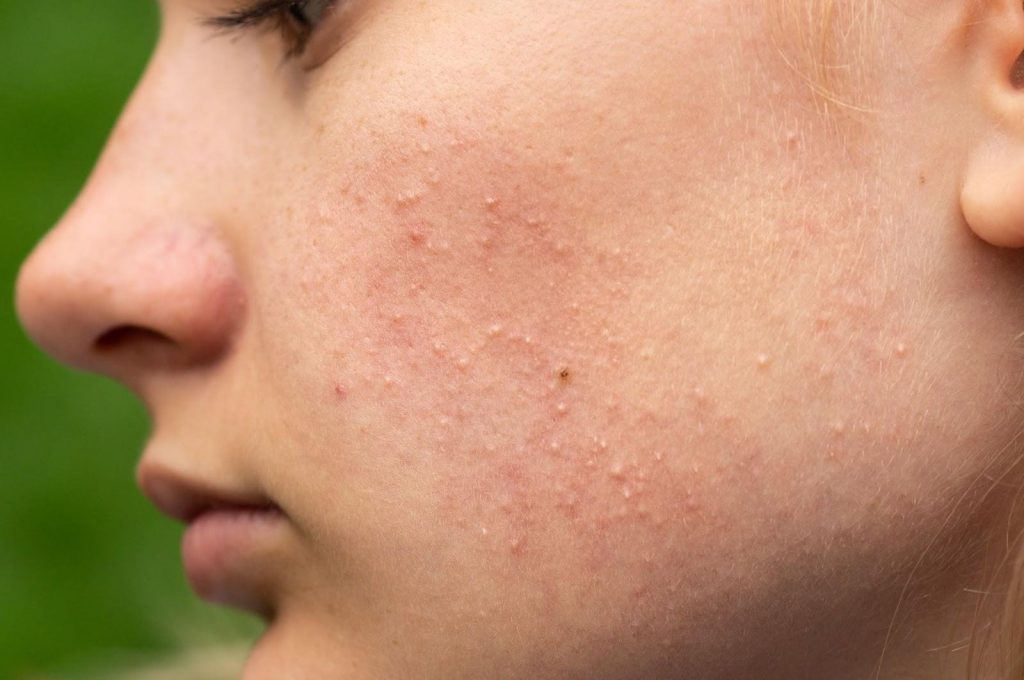 |
| Papules | Small, raised red bumps without pus | Mild to moderate | Low to moderate | 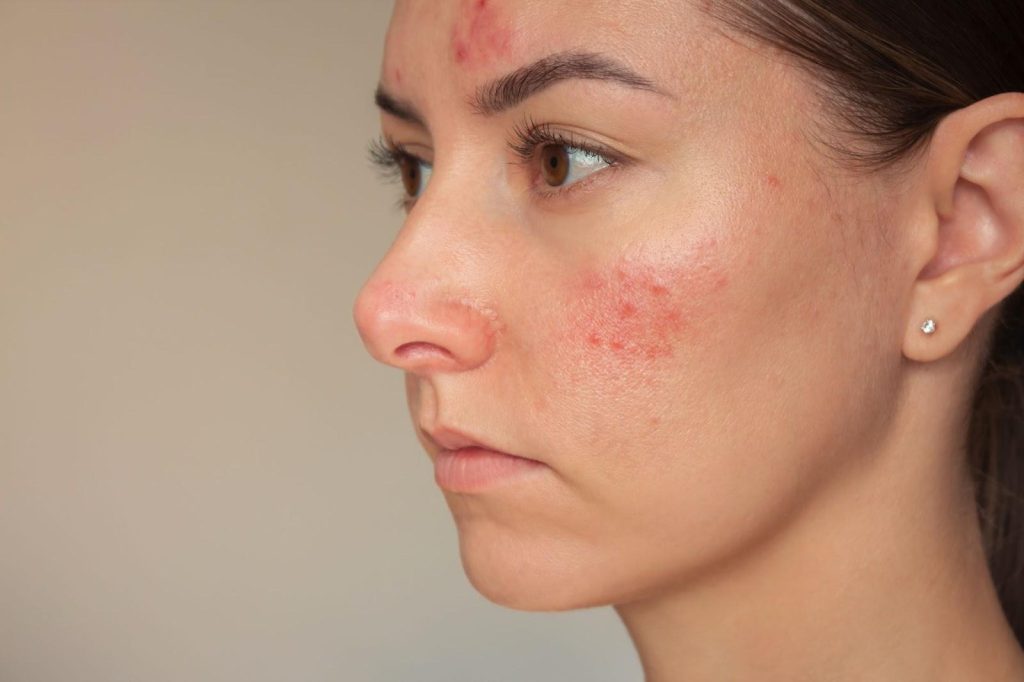 |
| Pustules | Inflamed lesions with visible pus | Moderate | Moderate | 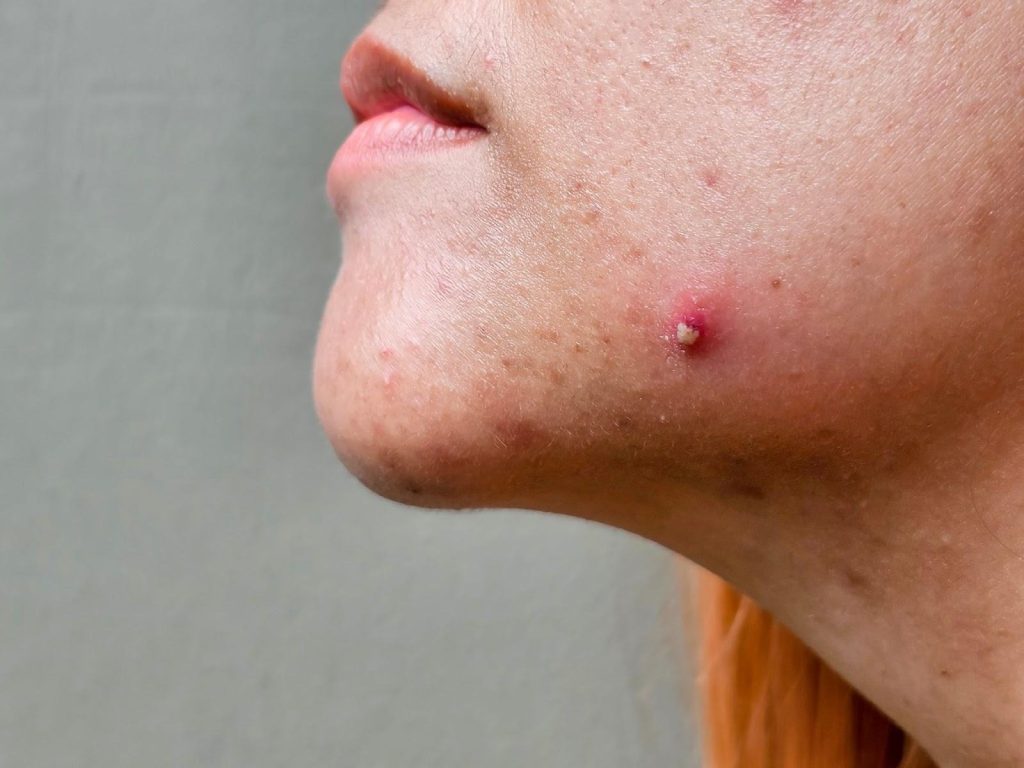 |
| Nodules | Large, solid, painful lesions deep in the skin | High | High | 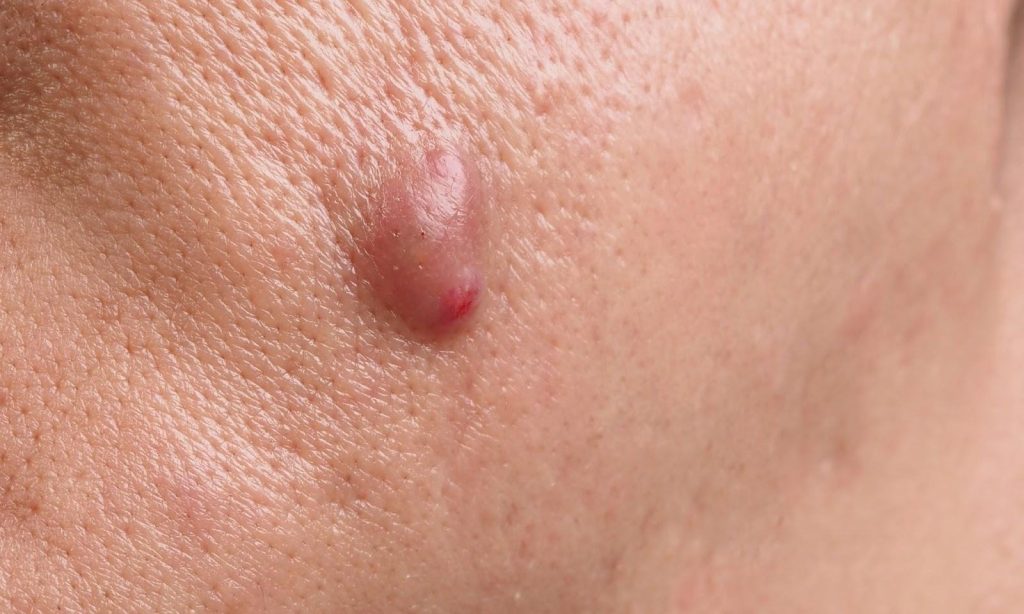 |
| Cysts | Deep, pus-filled, painful lesions | High | High | 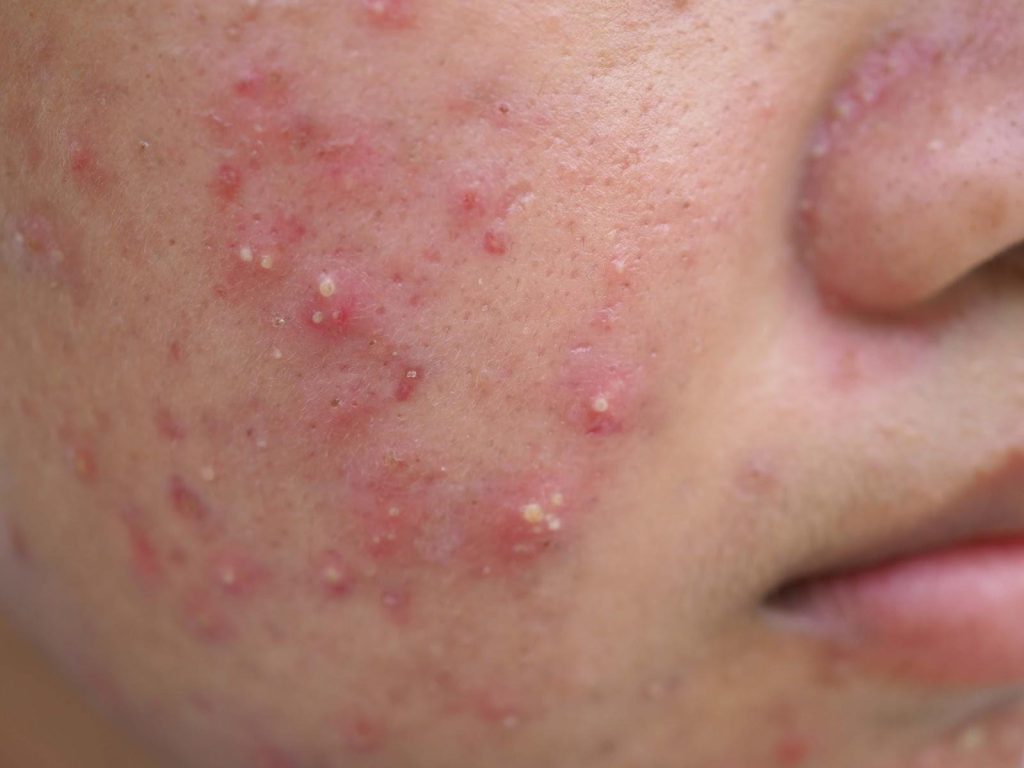 |
| Hormonal acne | Acne related to hormonal fluctuations, often affecting the jawline and chin | Variable | Variable | 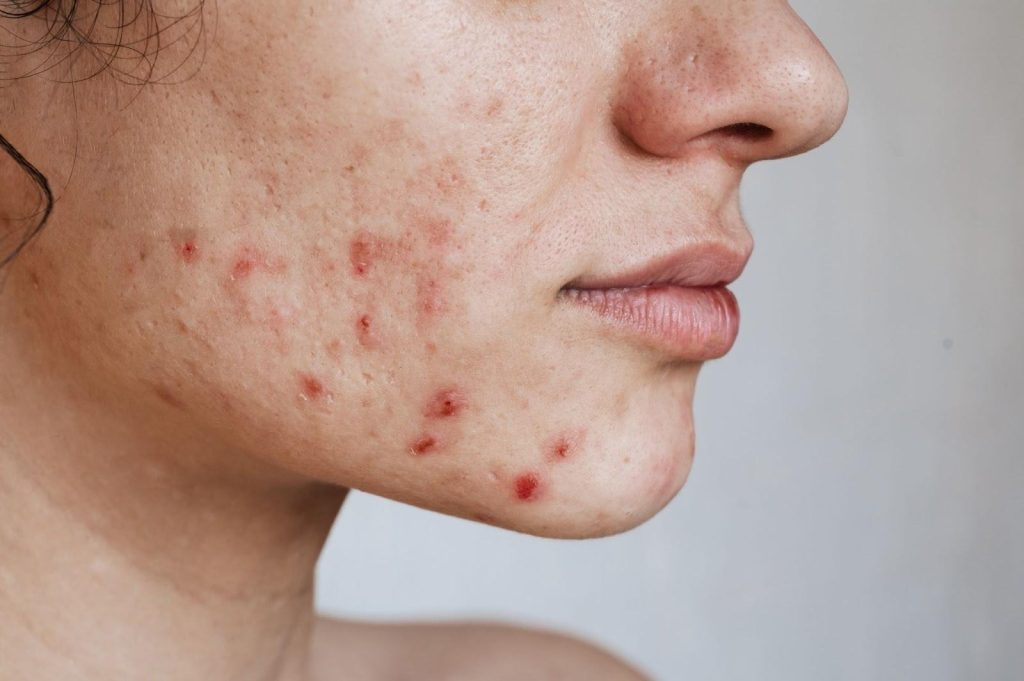 |
Acne develops when several factors affect the normal function of the skin and its oil-producing glands. These factors often act together, leading to blocked pores, inflammation, and breakouts. The underlying causes can vary between individuals and may change with age, lifestyle, and hormonal status.
Common causes of acne include:
Understanding the underlying causes helps guide appropriate treatment and long-term acne control.
Acne triggers are factors that can worsen existing acne or cause new breakouts in individuals who are prone to the condition. While triggers vary from person to person, recognising them helps reduce flare-ups and supports more effective long-term management.
Common acne triggers include:
Identifying personal triggers allows acne treatment to be tailored more effectively and helps prevent unnecessary flare-ups.
Diet does not directly cause acne, but certain foods have been shown to trigger or worsen acne in some individuals, particularly those who are already acne-prone. The effect of food on acne varies from person to person, and not everyone will react in the same way.
Foods commonly associated with acne flare-ups include:
It is important to note that dietary triggers are individual. Keeping a food diary and observing patterns can help identify whether specific foods worsen acne, allowing for more personalised management alongside medical treatment.
Acne severity varies widely between individuals and can range from mild, occasional breakouts to severe, persistent inflammatory disease. The level of severity influences both treatment approach and the risk of long-term skin damage.
Acne severity is commonly classified as follows:
Without appropriate management, acne can progress over time and leave lasting scars or pigmentation changes. Early assessment and treatment help control severity, reduce complications, and support long-term skin health.
Yes, acne can cause scarring, particularly when inflammation is deep, persistent, or left untreated. Scarring is more likely to occur with moderate to severe acne, but it can also develop after repeated episodes of mild acne.
Acne scars form when inflammation damages the deeper layers of the skin during the healing process. Picking, squeezing or delaying treatment increases this risk. Early and appropriate acne management helps control inflammation and significantly reduces the likelihood of permanent scarring.
While acne cannot always be completely prevented, consistent skin care and early management can reduce breakouts and limit severity. Prevention focuses on minimising pore blockage, controlling inflammation, and avoiding common triggers.
Ways to help prevent acne include:
Preventive measures work best when combined with personalised treatment guided by medical assessment.
At Apax Medical & Aesthetic Clinic, acne is diagnosed through clinical assessment based on the appearance, distribution, and severity of skin lesions. A detailed evaluation helps distinguish acne from other skin conditions and guides appropriate treatment planning.
Diagnosis typically involves:
In most cases, acne can be diagnosed without laboratory tests. Accurate diagnosis ensures treatment is targeted, effective, and appropriate for the individual’s skin condition.
Acne affects individuals differently, and no single treatment works for everyone. Effective care begins with understanding the type of acne, underlying triggers, skin type and the individual’s concerns and goals.
At APAX Medical & Aesthetic Clinic, acne management is guided by clinical experience and evidence-based practice. Treatment plans are tailored to address different forms of acne, including hormonal acne, inflammatory acne and nodulo-cystic acne, while also focusing on preventing scarring and supporting long-term skin health. Early and appropriate intervention allows acne to be managed more effectively and helps restore both skin clarity and confidence.
Acne treatment in Singapore includes a range of medical and aesthetic options tailored to acne type, severity, skin sensitivity and individual goals. Our doctor recommends the most suitable approach based on clinical assessment and lifestyle considerations.
Used for mild to moderate acne, applied directly to the skin:
Often used for moderate to severe acne or when topical treatments alone are insufficient:
Performed by professionals to speed up results and improve outcomes:
For long-term outcomes when acne has led to scarring:
The cost of acne treatment varies depending on the type and severity of acne, the treatment approach required and the duration of care. Some patients may respond well to topical treatments alone, while others may require oral medications or in-clinic procedures for better control and to reduce the risk of scarring.
At APAX Medical & Aesthetic Clinic, acne treatment plans are individualised following medical assessment. Pricing is discussed clearly during consultation and depends on the treatment selected and clinical needs.
| Treatment | Price (from) |
| Oral antibiotics | From $30 |
| Topical retinoid | From $40 |
| Oral isotretinoin | From $80 |
| Injection steroids | From $150 |
| Incision and Drainage | From $380 |
| Laser acne treatment | From $399 |
Yes, acne treatment is possible during pregnancy, but it requires careful selection of pregnancy-appropriate options. Some commonly used acne medications are not suitable during pregnancy, which is why treatment should always be guided by medical assessment. Management typically focuses on safe topical treatments, gentle skincare and non-pharmacological measures, with adjustments made according to pregnancy stage and, where relevant, breastfeeding considerations.
Results from acne treatment vary depending on the type and severity of acne, as well as how early treatment is started. Many patients notice gradual improvement in breakouts, inflammation, and skin texture over several weeks. Consistent treatment helps reduce active acne, prevent new lesions and lower the risk of long-term scarring, although complete clearance may take time and ongoing management.
Recovery time depends on the type of acne treatment used. Medical treatments such as topical or oral medications generally do not require downtime, while in-clinic procedures may involve mild redness or sensitivity that settles within a few days. Your doctor will advise on expected recovery and aftercare based on the specific treatment plan.
Acne is a common but complex skin condition that can affect individuals at different stages of life and vary widely in severity. Effective acne management goes beyond treating surface breakouts and focuses on understanding underlying causes, controlling inflammation and reducing the risk of long-term scarring. With appropriate medical assessment and a tailored treatment plan, acne can be managed safely and effectively, even in situations such as adult-onset acne or acne during pregnancy. Early intervention and consistent care play an important role in improving skin health and restoring confidence.
If you are struggling with acne or would like personalised advice on suitable treatment options, you may schedule a consultation with APAX Medical & Aesthetic Clinic for professional assessment and comprehensive acne care.
Yes, adult acne is common and can develop or persist well beyond adolescence, especially due to hormonal or lifestyle factors.
Acne treatment can be tailored for sensitive skin using gentle, non-irritating options under medical guidance.
High humidity can increase oil production and sweating, which may aggravate acne in acne-prone individuals.
Stress can influence hormone levels and inflammation, making acne flare-ups more likely in some people.
Hormonal acne is often linked to hormonal fluctuations and commonly affects the jawline, chin and lower face.
Initial improvement is often seen within a few weeks, but full results may take several months with consistent treatment.
Acne may recur if underlying triggers remain unmanaged, which is why maintenance care is often recommended.
Yes, acne treatment can be safely provided to teenagers with age-appropriate medical assessment and guidance.
Many acne treatments also help regulate oil production, improving overall skin balance.
While treatment reduces active acne, additional therapies may be needed for scars or pigmentation.
Some skincare products can be used alongside treatment, but compatibility should be reviewed to avoid irritation.
Dietary changes may help some individuals, but acne usually requires medical treatment for effective control.
Makeup can worsen acne if products are comedogenic; non-comedogenic formulations are recommended.
Laser treatments may be suitable for selected patients after assessment, depending on skin type and acne severity.
Early and effective acne treatment significantly reduces scarring risk, though prevention cannot be guaranteed.
Some individuals require longer-term or maintenance treatment to keep acne under control.
Yes, effective acne care is personalised based on acne type, severity, skin type and lifestyle factors.
Early assessment helps prevent worsening and reduces the chance of scarring, even in mild acne.
Acne can be well controlled in most cases, though some individuals may experience recurrences over time.


Dr. Moses Ng is a distinguished professional in the field of aesthetic medicine, renowned for his expertise in advanced cosmetic procedures. With over 15 years of experience, extensive training and a keen eye for detail, Dr. Ng specializes in a wide range of treatments, including injectables, laser therapies, and acne scar management.
Dr. Moses Ng’s commitment to excellence and patient-centric approach have earned him a reputation as a trusted clinician in aesthetic medicine. His continuous pursuit of the latest advancements in the field ensures that his patients receive the highest standard of care and the most effective treatments available.


