
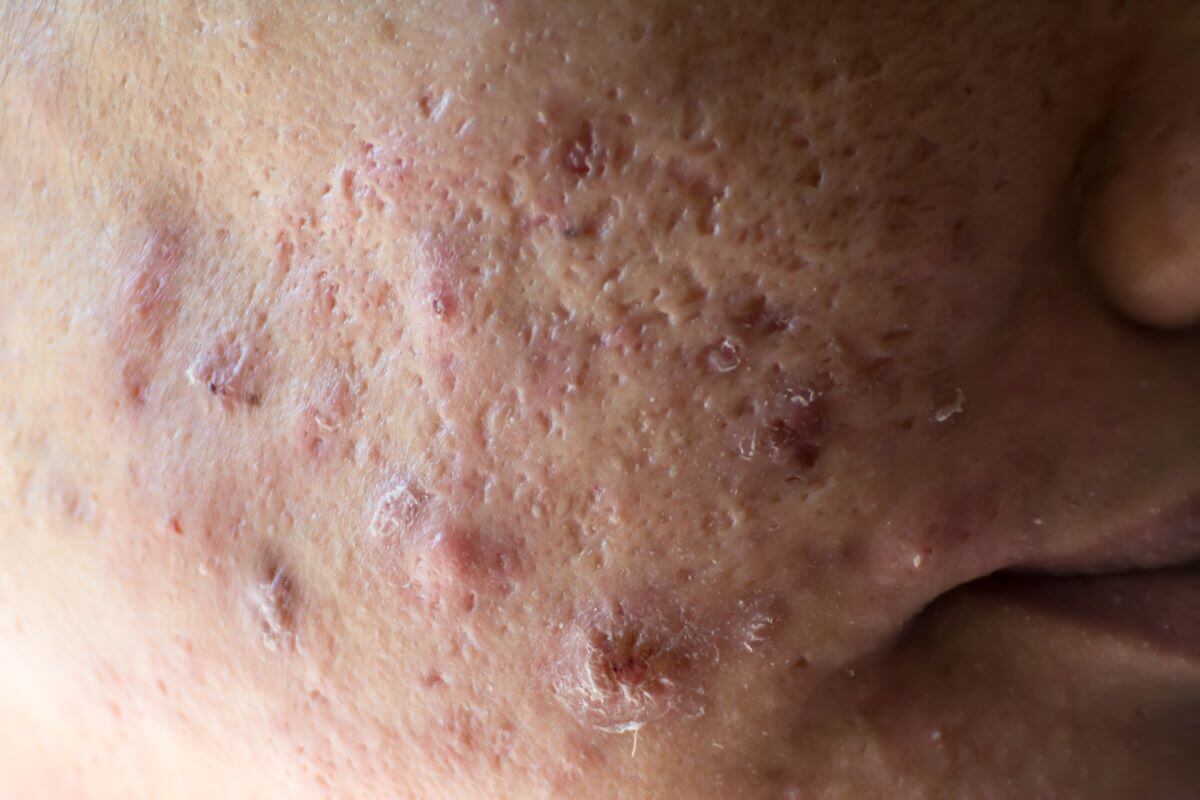
Nodular acne is one of the most serious types of acne vulgaris. It is marked by large, inflamed and painful nodules that develop deep under the skin. Unlike mild acne, nodular acne does not resolve quickly and often leaves behind permanent scars if not treated early.
Seeking professional care is essential to control inflammation, reduce discomfort and prevent long-term scarring. At Apax Medical & Aesthetic Clinic, we provide personalised treatments tailored to each patient’s skin condition.

Professional | Established | Trusted
Take control of nodular acne with professional care before it causes lasting damage.

Nodular acne is one of the most severe forms of acne vulgaris, involving the deeper layers of the skin [1]. Unlike typical pimples that remain closer to the surface, nodules form beneath the skin’s surface and are often larger, firmer and more painful. The term nodule comes from the Latin word nodulus, meaning “small knot.” These lesions are usually more than 1 cm in size, feel hard to the touch and may persist for weeks or even months.
Because nodular acne affects the dermis and subcutaneous tissue, it often lacks a visible “head,” which makes it more difficult to treat with over-the-counter remedies. If left untreated, the inflammation and pressure caused by these lesions can damage the skin structure, leading to permanent scarring.

At Apax Medical & Aesthetic Clinic, we take a comprehensive approach to treating nodular acne. Instead of focusing only on surface symptoms, our treatments target the underlying inflammation and bacterial activity that drive this condition. By combining medical expertise with advanced dermatological therapies, we aim to:
Dr Ng has extensive experience in managing complex acne cases, including nodular acne. With over 15 years of clinical practice, he has helped thousands of patients achieve clearer, healthier skin through personalised care plans.
Nodular acne can cause significant physical discomfort and emotional stress due to its painful, persistent nature and the risk of scarring. Dr Ng’s tailored treatment strategies focus not only on controlling active breakouts but also on restoring confidence and long-term skin health.
Nodular acne has distinct characteristics that set it apart from milder forms of acne. These features make it more persistent, painful, and more likely to cause long-term skin damage if left untreated.
The exact cause of nodular acne is not completely understood, but research shows that it arises from a combination of genetic, hormonal, and environmental factors. These factors contribute to excessive oil production, clogged pores, bacterial growth, and inflammation deep within the skin, leading to painful nodules.
Key contributing factors include:
Nodular acne is rarely caused by a single factor. Instead, it usually develops from a combination of underlying predispositions and external triggers, which is why personalised treatment is essential for effective long-term control.
Yes, nodular acne carries a much higher risk of scarring compared to milder forms of acne. Because these nodules develop deep within the skin, the intense inflammation can rupture the follicle wall and damage surrounding tissue. This damage triggers collagen breakdown, leading to the formation of indented (atrophic) scars that may be permanent if not treated early.
Scars from nodular acne can appear as depressions, pitted marks or irregular skin texture. The longer inflammation persists, the higher the chance of long-lasting marks. Seeking prompt medical treatment not only reduces pain and swelling but also significantly lowers the risk of permanent scarring.
Nodular acne and cystic acne are both severe forms of acne that develop deep within the skin, but they differ in important ways:
| Feature | Nodular Acne | Cystic Acne | Nodulocystic Acne |
| Lesion type | Firm, inflamed lump | Soft, pus-filled lump | Mix of nodules and cysts |
| Presence of pus | No | Yes | Yes, in cystic components |
| Pain | Deep, persistent, often severe | Tender, throbbing, can be severe | Combination of both |
| Scarring risk | High | High | Very high |
| Common duration | Weeks to months | Weeks to months | Long-lasting, recurrent |
Because of their depth and severity, both nodular and cystic acne have a high risk of permanent scarring if not managed promptly. Professional treatment is strongly recommended to control inflammation, promote healing, and protect long-term skin health.


It may be tempting to squeeze or pop nodular acne, but doing so can make the condition much worse. Unlike superficial pimples or pustules, nodules develop deep within the skin and cannot be expressed by pressure. Attempting to squeeze them often leads to further inflammation, infection and an even higher risk of permanent scarring.
The safest approach is to leave nodular acne alone and seek professional treatment. Medical therapies can address the root causes of inflammation and promote healing in a way that home remedies or squeezing never can.
Nodular acne is more than just a skin concern; it can have wide-ranging effects on both physical and emotional well-being. The pain, inflammation and risk of scarring are significant, but the impact often extends into daily life, affecting confidence and quality of life.
Areas that may be affected include:
Studies show that severe acne can have an impact comparable to chronic conditions like asthma, psoriasis and arthritis [8].
Seeking professional care for nodular acne not only reduces inflammation and prevents scarring, but also helps restore confidence and improves overall quality of life. Treating the condition early allows patients to feel better about themselves and engage more fully with the world around them.
The primary goals of treating nodular acne are to reduce inflammation, control pain and swelling, prevent new breakouts and minimise the risk of permanent scarring. Because nodular acne is a severe form of acne, it often requires a comprehensive and personalised treatment plan. Early medical care is key to achieving lasting improvement and protecting long-term skin health.
Treatment options may include:
Takeaway Message
Nodular acne is a chronic inflammatory condition that can persist into adulthood and often leaves permanent scars if not properly treated. With early and appropriate medical care, however, symptoms can be brought under control, skin health restored and the risk of scarring greatly reduced. Seeking treatment not only improves the appearance of your skin but also boosts confidence and overall quality of life.
The cost of nodular acne treatment in Singapore varies depending on the severity of the condition, the type of therapy required, and the duration of care. At Apax Medical & Aesthetic Clinic, we provide transparent pricing to help you make informed decisions.
| Treatment | Price (from) |
| Oral antibiotics | $30 |
| Topical retinoids | $40 |
| Oral isotretinoin | $80 |
| Steroid injections | $120 |
| Drainage of cysts | $150 |
| Laser acne treatment | $399 |
Please note: Costs may vary depending on the complexity of the case and whether combination treatments are recommended. A personalised consultation will help determine the most suitable and effective plan for your skin condition.
Schedule a Consultation for Nodular Acne Treatment in Singapore
At Apax Medical & Aesthetic Clinic, we provide comprehensive care for acne and acne scars at both our Woodlands and Kovan branches. Dr. Ng will work with you to create a personalised treatment plan that addresses your skin condition effectively and safely.
Take the first step towards clearer, healthier skin — schedule your consultation today.
Nodular acne appears as large, firm and painful lumps deep under the skin. Unlike whiteheads or blackheads, nodules do not have a visible “head” and are more likely to cause scarring if left untreated.
While you cannot always prevent nodular acne, you can lower your risk of severe flare-ups by maintaining a consistent skincare routine, managing stress, avoiding known dietary triggers and seeking early treatment if breakouts become persistent.
Without treatment, nodular acne lesions can last for weeks or even months. With professional treatment, improvement is often seen within a few weeks, though complete clearance may take several months depending on severity.
The biggest concern with nodular acne is permanent scarring. Other complications may include skin pigmentation changes and significant emotional distress due to the condition’s persistent and painful nature.
No. Attempting to squeeze nodular acne can push bacteria and inflammation deeper into the skin, worsening the condition and increasing the risk of scarring. Professional treatment is the safest and most effective option.
Over-the-counter products are usually ineffective for nodular acne because the lesions form deep beneath the skin. While home remedies may ease minor symptoms, medical treatment is necessary for lasting results and scar prevention.


We treat a range of acne and acne scars at both our clinics in Woodlands and Kovan. Contact us today to schedule a consultation, so that Dr. Ng can develop a individualized treatment approach for resolving your skin care concerns and helping you to achieve long-term improvements in the health and appearance of your skin.

Effective management of nodular acne often requires a personalized treatment plan tailored to the severity of the condition, skin type, and individual response to therapies. Early intervention and adherence to treatment recommendations are crucial for achieving optimal outcomes in managing this challenging dermatological condition.


Dr. Moses Ng is a distinguished professional in the field of aesthetic medicine, renowned for his expertise in advanced cosmetic procedures. With over 15 years of experience, extensive training and a keen eye for detail, Dr. Ng specializes in a wide range of treatments, including injectables, laser therapies, and acne scar management.
Dr. Moses Ng’s commitment to excellence and patient-centric approach have earned him a reputation as a trusted clinician in aesthetic medicine. His continuous pursuit of the latest advancements in the field ensures that his patients receive the highest standard of care and the most effective treatments available.


